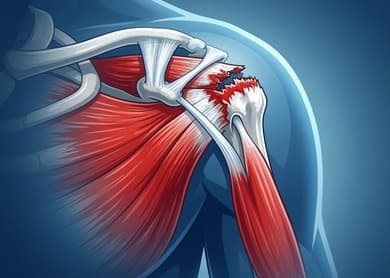
Shoulder

Rotator Cuff & Shoulder

Shoulder care covers pain, stiffness, instability, and rotator cuff problems. Many shoulder conditions improve with non-surgical treatment; some tears and instabilities may benefit from surgery.

Close view of hands lifting dumbbells from a weight rack.
08Shoulder

What it addresses

What it addresses

The shoulder is a mobile joint that can be affected by tendon problems, instability, stiffness, and injury. Care aims to reduce pain and restore movement and stability.

  • Rotator cuff tears and tendon problems
  • Shoulder instability and dislocation
  • Frozen shoulder (stiffness)
  • Shoulder pain after injury or with overuse

Typical procedures

What care generally involves

Most shoulder problems are first managed without surgery. When surgery is appropriate, many shoulder procedures can be done arthroscopically (keyhole), depending on the condition.

  • Physiotherapy and guided rehabilitation
  • Medication for pain and inflammation
  • Arthroscopic rotator cuff repair, where indicated
  • Surgery for recurrent instability, in selected cases

Approach

Dr. Vikram's approach

Conservative care — physiotherapy and time — is considered first wherever it is medically appropriate, as many shoulder problems settle without an operation. When surgery is recommended, what it involves and what to expect afterwards are explained so the decision is shared.

Recovery

What recovery generally looks like

Shoulder rehabilitation is usually gradual and physiotherapy is important, especially after cuff repair. Recovery varies with the condition and the individual. A personal rehabilitation and follow-up plan is set for each patient.

Questions

Common questions

General information only. Your own situation is assessed individually during consultation.

Begin a conversation

Have a concern about this? Talk it through.

Describe your symptoms by phone or WhatsApp, and we will help you find the right next step.