Degenerative

Osteoarthritis Management

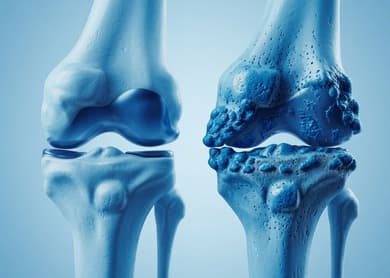
Osteoarthritis is gradual wear of the cartilage that cushions a joint, leading to pain and stiffness. Much of its care is non-surgical; surgery is considered only for advanced cases that no longer respond to other treatment.

A person doing a guided floor exercise on an indoor mat.
06Degenerative

What it addresses

What it addresses

Osteoarthritis can affect many joints, most commonly the knee and hip. Care aims to reduce pain, maintain movement, and slow the impact on daily life.

  • Knee and hip osteoarthritis
  • Joint pain and stiffness that worsens with activity
  • Reduced range of movement from joint wear
  • Early to advanced stages of joint degeneration

Typical procedures

What care generally involves

Most osteoarthritis is managed without surgery. A plan may combine activity and weight guidance, physiotherapy, and medication. For advanced joints that no longer respond, surgery may be discussed.

  • Activity modification and weight guidance
  • Physiotherapy and strengthening
  • Medication for pain and inflammation
  • Joint replacement for advanced, unresponsive cases

Approach

Dr. Vikram's approach

Conservative care comes first wherever it is medically appropriate. The aim is to keep a joint working and comfortable for as long as possible. Surgery is raised only when wear is advanced and other measures are no longer giving adequate relief — and then the decision is made together.

Recovery

What to expect over time

Osteoarthritis is a long-term condition, and care is usually ongoing rather than a one-off treatment. Many people manage symptoms well with the right plan. How the condition progresses varies from person to person and is reviewed over time.

Questions

Common questions

General information only. Your own situation is assessed individually during consultation.

Begin a conversation

Have a concern about this? Talk it through.

Describe your symptoms by phone or WhatsApp, and we will help you find the right next step.